How to be an Extreme Saver – A Quick Primer
Although I’ve written a couple of posts already about Extreme Frugality [see: Is Extreme Frugality for You? and 3 Types of Extreme Savers], I thought I’d write a brief primer on how to be an extreme saver for anyone curious about this way of living. I define Extreme Saver here as someone who sets aside 60%-90% of their income for a specific period of time for some other purpose (savings, investments, debt payoff, etc). These tips are written assuming you are single with no children, so adjust accordingly if that assumption does not fit you.
Extreme moniker aside, my points are actually somewhat moderate. I don’t have anything here about being voluntarily homeless or dumpster diving. I advocate a life re-design that is based on simplicity, not on risk-taking.
1. [YOUR PLAN] Before you begin your foray into extreme saving, you must have a plan and a goal/time limit for ending this lifestyle. Know why you are doing this. Is it to get out of extreme debt, to retire early, or for a personal challenge? This will help you explain your actions to those you care about. If they understand that this way of life is for a specific period of time and for a specific goal, the more support you can get from others. If your goals frequently change, then set a time limit of between 1 – 10 years to do this. Regardless of your goals, you should not do this for more than 10 years. Beyond that, you are on what Dave Ramsey calls a ‘Deferred Life Plan’. Remember that life is for living. You want to have plenty to time for fun while you can enjoy it.

2. [YOUR HOUSING] Rent a Room – That’s right. You don’t need to own a house. You don’t need to rent an apartment – at least not by yourself. If you want to be an extreme saver, you must cut down drastically on your major expenses. Rent a room in someone else’s house – the smaller the better. Save a ton on housing. Eliminate the hassle having to deal with utilities by having that built into the rent. The next best option is to rent a room in an apartment with multiple roommates. You don’t need to be comfortable in this small space because you should be living (working/playing) outside anyway. You may be able to get free or low room rent in exchange for part-time cleaning, handyman, or care-giving work.
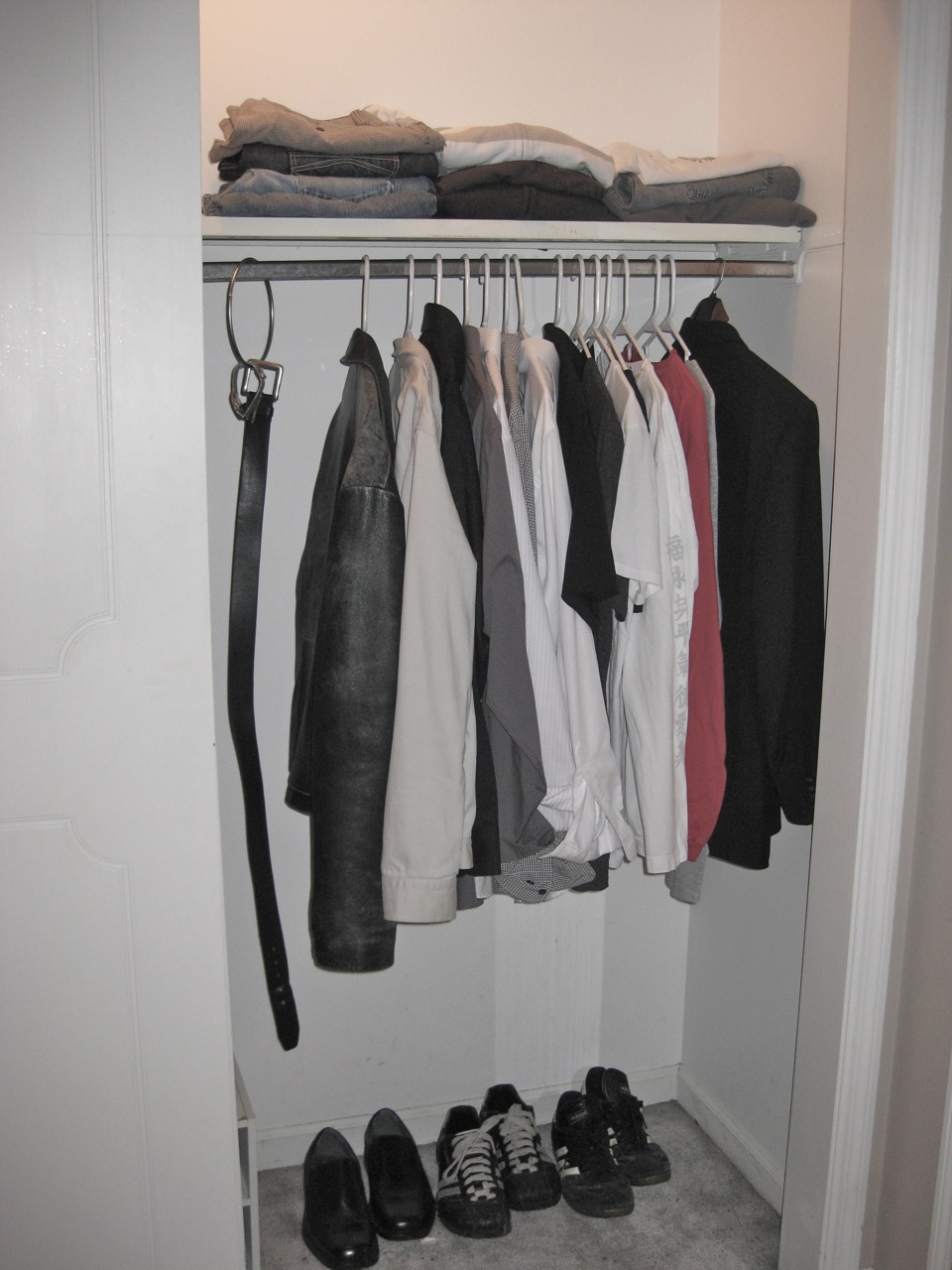
3. [YOUR STUFF] Become a Minimalist – No furniture. No storage. No property insurance. Get a room that is already furnished in someone’s home. The less stuff you have, the smaller (and cheaper) of a room you can get. It is very freeing to be so mobile. Do some serious de-cluttering, selling, and donating. There are many sources online that will walk you through the process. Read up on minimalism first to make sure that you are prepared for the journey. It’s not just about getting rid of stuff, but its about making room in your life (physically, emotionally, financially, time-wise) for only what is important to you so that you live with purpose. Less is more. This includes removing people and situations from your life that are not adding to it.
Read This: How to Become a Minimalist – This article boils it all down and doesn’t mince words. (Warning: Contains a sprinkling of four-letter words.)
It would be an easy assumption that the vast majority of extreme savers practice some combination of minimalism and simplicity, so there is a lot of overlap here.

4. [YOUR SOCIAL LIFE] Live life cheaply. The best things in life are free. Hang out with your friends and plan activities, not events ($). If you live in a large town or city, it is likely that you have access to Meetup groups, where you can do a lot of free activities. If you have a hobby that requires gear you can access them through groups like these for a small fee.

5. [YOUR FOOD & HEALTH] Eat simply but NOT cheaply. Eat a diet high in fresh organic vegetables and low in sugar. Stay away from anything in a package. Food is a budget item that most of us struggle to keep under control – including me. Stay healthy and exercise to avoid medical expenses. Unexpected medical bills are the #1 cause of bankruptcy. If you have insurance, go get those annual checkups (physical, eye, dental). Don’t let an illness take a bite out of your wallet.

6. [YOUR TRANSIT] Take public transit and walk where you need to go. Rent your room within walking/biking distance from work. Public transit is possible if you live in a medium to large city. Take advantage of it. Ditch the car completely. They are a money pit. You can rent a car by the week, day or even by the hour (ZipCar) if you really need wheels.

7. [YOUR INCOME] Make more money and tell it what to do. You should always be working at least two jobs. Preferably you should have one full-time job, one part-time job, and an additional intermittent side hustle that focuses on generating passive income. Make sure that you have a spending plan for your income. Automate your monthly investments and bill pay where ever possible.

8. [YOUR SUPPORT SYSTEM] Find others online or IRL (in real life) who understand what extreme saving is about, yet can give you a sanity check every now and then. Communicate with these people to make sure that you aren’t going off the deep end and sacrificing too much or losing relationships because of your choices. There are extreme saver bloggers out here (myself included) who are supportive and eager to help others.

9. [YOUR RESPONSIBILITIES] Don’t have children – at least not now. This is not for the faint of heart, but remember that you will only be in extreme mode for a limited amount of time. If you are fairly young, early 30’s and younger, you still have time to wait. The rest of us will have to make some tough decisions. Some may choose not to have pets during this time.

10. [YOUR SPENDING] Stop buying crap. Your spending should be very limited at this time. If you haven’t already, get rid of your television (also known as the Idiot Box or the Electronic Pacifier). This will remove a LOT of advertising and materialist messaging from your day-to-day life. You will be spending according to your spending plan, so make sure that you are only buying things that serve a truly needed purpose (nutritious food, a winter coat etc.). Stay away from any stores and malls unless you are going there to get one or two needed items. No more shopping as a past-time. You should be working instead.
—
That’s it.
This was my super quick 10 point primer on extreme saving. MUCH much more information is available on each of these areas. Perhaps I will dedicate some future posts to examining them in more detail.
.
“Debtor’s prison is real, and opportunity cost is a bitch.” (DDSW)





 Double Debt Single Woman